Electronic film music goes back further than many people expect. In the 1950s, Louis and Bebe Barron built circuits that made sounds no orchestra could, for the science-fiction film Forbidden Planet, and the theremin’s eerie wail became shorthand for flying saucers and the unknown.
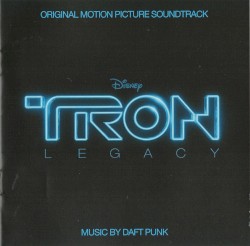
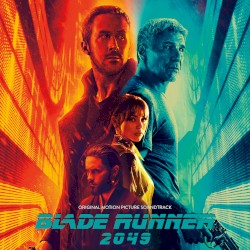
Synthesizers changed things in the 1970s and 1980s. Composers such as Vangelis, Giorgio Moroder and Wendy Carlos could now play electronic sounds like an instrument, and whole scores were made this way, from Blade Runner to Tron. A synthesizer score sounded modern, and it was often cheaper than hiring an orchestra.
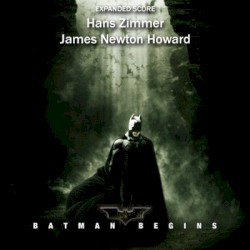
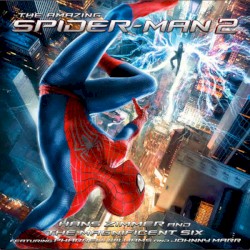
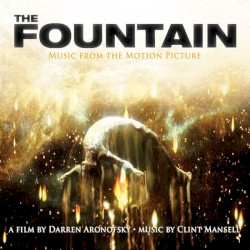
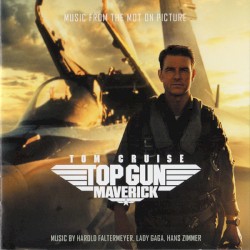
A hybrid score mixes the two worlds. An orchestra plays alongside synthesizers, drum loops, sampled sounds and heavily processed recordings, and the line between them can be hard to hear. Since the 1990s this has become the standard sound of the big studio film, with strings and brass on top, electronic pulses and low rumbles underneath, all mixed together so that the orchestra feels larger than life.
Electronic tools also let composers start from sound itself rather than from melody. A score might grow from a single recorded noise, stretched and layered until it becomes the film’s signature.
To hear it, listen to the lowest and highest layers of a big action cue and try to tell which sounds come from real instruments.