Minimalism is a style of concert music that grew up in the United States in the 1960s and 1970s. Instead of long melodies that develop, it builds pieces from small patterns repeated many times, changing one note, one rhythm or one layer at a time. The result can feel hypnotic. Very little seems to happen, and then you notice that everything has changed.
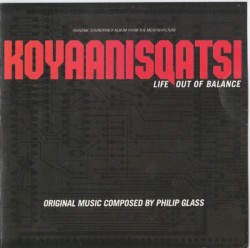
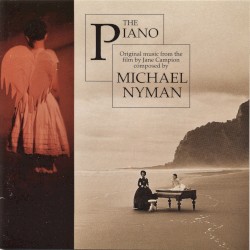
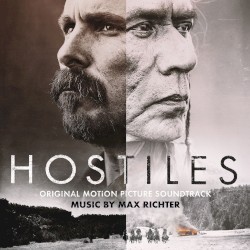
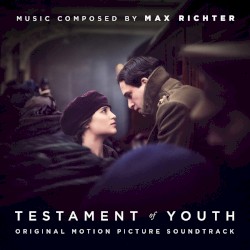
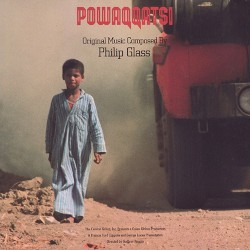
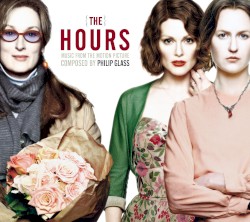
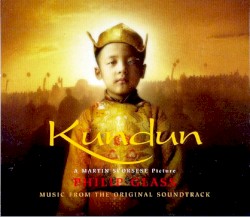
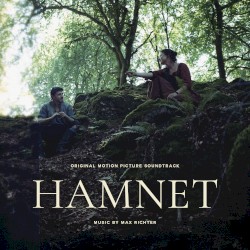
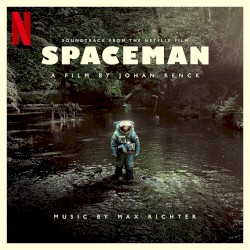
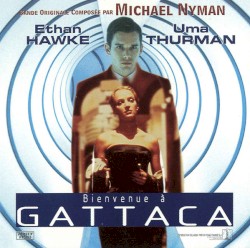
Philip Glass brought the style to film early, most famously in Koyaanisqatsi, where rolling arpeggios match time-lapse images of cities and landscapes. Michael Nyman’s scores for Peter Greenaway and for The Piano use a similar repeating drive with a different, more baroque accent. Later composers such as Max Richter took the patterns and made them slower and more mournful, a style often called post-minimalism.
Film directors like minimalism because it creates a mood without telling the audience what to feel at each moment. A steady pattern can suggest machines, time passing, or a mind that cannot stop thinking. It also sits well under dialogue, since it rarely jumps out.
Minimalist textures are now everywhere in film music, including big studio scores, so the style’s fingerprints turn up in many places beyond the composers named here.
To hear it, follow one pattern for a minute and try to catch the moment it shifts.