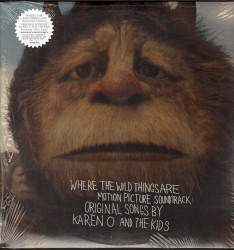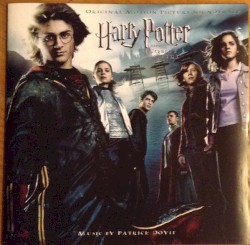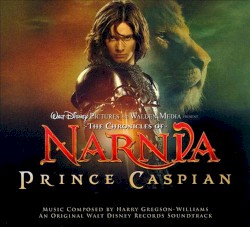
A scale is the set of notes a piece of music is built from. The ordinary major scale has a slightly restful quality, partly because its fourth note leans down towards the third. The Lydian mode is the same scale with that fourth note raised by a half step. The change is small, but it removes the lean, and the music seems to lift off the ground and hang in the air.
Film composers have long used that lift to suggest wonder, magic and flight. When a spaceship appears, a dragon takes off or a child first sees something impossible, listen for a bright major chord with a slightly unexpected, shimmering note on top, often played by high strings, celesta or harp. That note is frequently the raised fourth.
The sound works because it is familiar enough to feel happy but strange enough to feel new. A whole cue rarely stays in the Lydian mode; composers usually touch it for a phrase or a chord at the key moment and then return to plain major.
Music theorists who study Hollywood harmony have written about this and related devices as part of a wider vocabulary of musical wonder in film.
To hear it, wait for the moment in one of these films when the camera pulls back to reveal something enormous, and listen to the top note of the chord.